Author: iriediva

  • Resort Wear for a Caribbean Honeymoon: What to Actually Pack

    Resort Wear for a Caribbean Honeymoon: What to Actually Pack

    A Caribbean honeymoon comes with a very specific packing challenge: you need to look put-together for a week or two of photos, dinners, and “just because it’s your honeymoon” moments — without overpacking or melting the second you step off the plane. As someone based in Kingston who’s watched a lot of visiting couples get this wrong (too many sequins, not enough breathable fabric), here’s what actually earns its spot in the suitcase.

    Think in Categories, Not Outfits

    The easiest way to avoid overpacking is to stop planning “outfits” and start packing pieces that mix across four categories: beach, daytime-out, dinner, and one elevated “moment” outfit. Everything else is a variation on these.

    This post contains affiliate links. As an Amazon Associate I earn from qualifying purchases.

    Beach & Pool

    • 2-3 swimsuits
    • A cover-up that works walking from the beach to a poolside lunch
    • A wide-brim hat — does double duty for sun protection and photos
    • Sandals that survive sand and pool decks
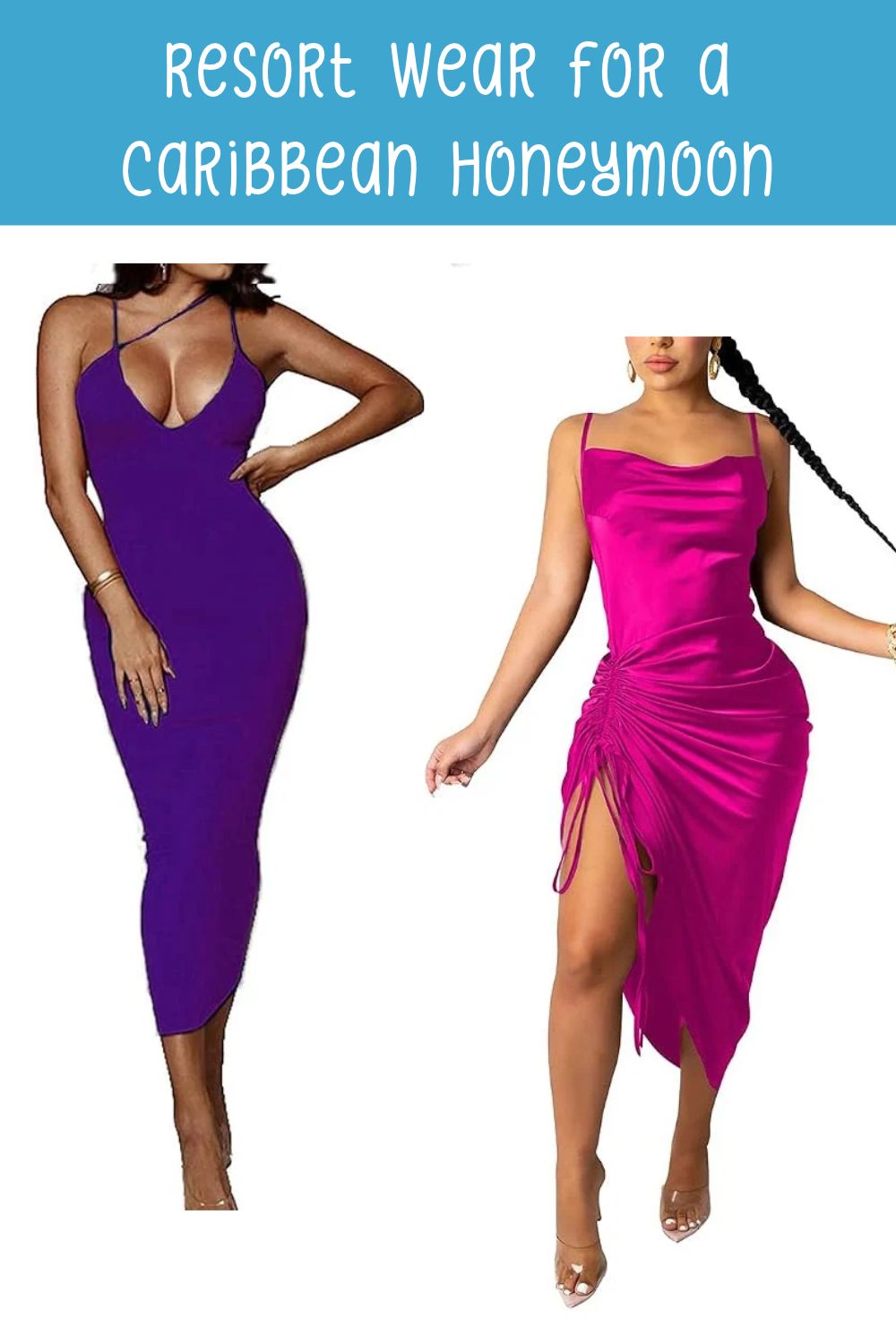
    Resort Wear for a Caribbean Honeymoon

    Daytime Out

    For excursions, town visits, or lazy resort days that aren’t spent in the water:

    • Linen shorts or a flowy skirt
    • Breathable button-downs or simple tanks
    • A casual sundress that also photographs well
    • Comfortable walking sandals — cobblestones and boat docks are not the place for new shoes
    Resort Wear for a Beach Caribbean Honeymoon

    Dinner

    Most Caribbean resorts keep dinner smart-casual rather than formal, but a couple of dedicated “nicer” pieces go a long way:

    • 2-3 dinner dresses (slip dress, wrap dress, or linen maxi)
    • A dressier sandal or wedge that still handles sand or grass paths
    • Light jewelry — nothing that needs a jewelry box’s worth of packing space
    resort pieces for caribbean vacation

    The One “Moment” Outfit

    Every honeymoon seems to have one occasion — a sunset dinner, a couples’ photo session, a private beach dinner the resort books for you — that calls for something a step above the rest. Pack exactly one elevated piece for this: a special dress or matching set. You don’t need three; you need one that photographs beautifully and makes you feel like it was worth the suitcase space.

    Fabrics That Hold Up in Caribbean Heat and Humidity

    The same rules apply here as anywhere in the Caribbean in peak season: linen, lightweight cotton, and rayon/viscose blends breathe and move well. Skip anything structured, fitted through the torso, or synthetic — you’ll notice the difference by the second day.

    What Locals Notice Visitors Overpack

    The most common honeymoon packing mistake I see: too many “special occasion” pieces and not enough easy, breathable basics. Resorts are casual by design — you’re far more likely to reach for a simple sundress on repeat than any of the three sequined pieces that seemed necessary at home. Pack fewer statement pieces, more breathable basics you’re happy to repeat.

    Quick Packing List

    • 2-3 swimsuits + 1 cover-up
    • 2 linen or cotton daytime outfits
    • 2-3 dinner dresses
    • 1 elevated “moment” outfit
    • 2 pairs sandals (walkable + dressier)
    • Sun hat, sunglasses, reef-safe sunscreen
    • Light jewelry, kept minimal

    Frequently Asked Questions

    Is Caribbean resort dinner attire formal?

    Most resorts keep it smart-casual rather than formal — think sundresses and linen shirts rather than gowns and suits. A few higher-end resorts do request collared shirts or dressier attire for their specialty restaurants, so it’s worth checking your specific resort’s dress code in advance.

    How many outfits do I need for a week-long Caribbean honeymoon?

    Fewer than you think. Mixing 6-8 versatile pieces across swim, daytime, and dinner categories covers a full week comfortably without overpacking.

    What should I avoid packing for a Caribbean honeymoon?

    Heavy fabrics, anything requiring ironing, too many single-occasion pieces, and new shoes you haven’t broken in.


    Related reading: What to Wear in Jamaica in July: A Complete Packing Guide]

    Planning a Caribbean honeymoon? Save this guide to Pinterest so you have it ready when you start packing.

  • What to Wear in Jamaica in July: A Complete Packing Guide

    What to Wear in Jamaica in July: A Complete Packing Guide

    July in Jamaica means one thing above all else: heat. Real, thick, humid heat — the kind that makes packing decisions for you if you let it. I live in Kingston, and every July I get the same question from visiting friends and readers: “What do I actually pack?” So here’s the honest answer, not the generic packing list you’ll find on sites written by people who’ve never sweated through a Jamaican afternoon.

    What the Weather Is Actually Like

    July temperatures in Jamaica typically sit between 85-91°F (29-33°C), with humidity that makes it feel several degrees hotter. Afternoon showers are common, especially inland and in the Blue Mountains, but they tend to pass quickly. Coastal areas like Montego Bay, Negril, and Ocho Rios get a steady sea breeze that helps, but don’t count on it to save you from a bad fabric choice.

    The Fabrics That Actually Work

    This is the single biggest packing mistake visitors make: bringing clothes built for a different climate. Skip anything heavy, synthetic, or fitted. Here’s what holds up:

    • Linen — breathes well, dries fast, and the wrinkles are part of the look here, not a flaw
    • Lightweight cotton — reliable, breathable, easy to wash and dry quickly
    • Rayon and viscose blends — drape well without clinging in humidity
    • Avoid: polyester blends, denim (except a single light pair), anything fitted through the torso

    As an Amazon Associate I earn from qualifying purchases

    Daytime Outfits

    Daytime in Jamaica is casual, breezy, and practical. Think:

    • Flowy midi dresses or sundresses — one and done, no thinking required
    • Linen shorts with a loose cotton top
    • A lightweight cover-up that doubles as beach-to-street wear
    • Sandals you can walk in — cobblestone and uneven sidewalks are common in towns like Falmouth and downtown Kingston

    Evening Outfits

    Evenings cool slightly but not dramatically — you’re still dressing for heat, just with a bit more polish if you’re going out for dinner or to a beach bar. A slip dress, a linen jumpsuit, or dressier sandals swapped in for flats will take you from day to night without a full outfit change.

    What Locals Wear vs. What Tourists Wear

    One thing I always tell visitors: you’ll stand out less, and honestly be more comfortable, if you dress the way Jamaicans dress day to day rather than in full “vacation mode.” That means fewer coverups-as-outfits and more genuinely wearable pieces — a good sundress works for the beach, lunch, and a walk through town. Save the true resort-wear pieces (statement kaftans, elaborate swim coverups) for actual resort days.

    What NOT to Pack

    • Heavy jeans or anything denim beyond one pair
    • Non-breathable activewear for daily wear
    • Anything you’re not willing to sweat in
    • New shoes you haven’t broken in — uneven terrain is unforgiving

    Quick Packing List

    • 3-4 lightweight dresses (day and evening versatile)
    • 2 pairs linen or cotton shorts
    • 2-3 breathable tops
    • 1 cover-up / kaftan
    • 2 pairs sandals (1 walkable, 1 dressier)
    • Swimwear (2 suits if beach days are frequent)
    • A wide-brim hat and sunglasses
    • Reef-safe sunscreen

    Frequently Asked Questions

    Is Jamaica humid in July?

    Yes — July is one of the more humid months, with average humidity often above 75%. Coastal breezes help, but breathable fabric matters more than the number of layers you bring.

    Do I need to dress conservatively in Jamaica?

    Beach and resort areas are casual and relaxed, but swimwear is generally reserved for the beach or pool rather than worn around town. In cities and towns, smart-casual dress is the norm.

    What shoes should I pack for Jamaica?

    Comfortable sandals for daily wear, something dressier for evenings out, and closed-toe shoes if you’re planning any hikes (like Dunn’s River Falls or the Blue Mountains).


    Have a Jamaica trip coming up? Save this guide to Pinterest so you can find it again when you start packing.

  • Essential Credentials for Becoming a Group Fitness Instructor

    Essential Credentials for Becoming a Group Fitness Instructor

    Have you ever wondered what it takes to lead a room full of people in a fun workout? Many people enjoy exercise, but teaching others takes more than being active. A group fitness instructor needs the right training, skills, and knowledge to lead safe and exciting classes.

    Good training also helps students feel confident and trust their instructor. Learning the right steps can open the door to new job chances and personal growth. Keep reading to discover the key credentials, useful skills, and training that can help you become a trusted instructor and build a successful fitness career.

    Essential Credentials for Becoming a Group Fitness Instructor

    Why Group Fitness Instructor Certification Matters

    A group fitness instructor certification teaches how to exercise safely. It covers body movement, class plans, and ways to help people with different fitness levels. These skills help instructors lead safe and fun classes.

    People often trust an instructor with good training. A certification also shows employers that the instructor has learned key fitness skills. This can help them find more jobs and grow their career.

    Good training also helps instructors feel ready for each class. They learn how to plan workouts that are easy to follow and enjoyable for everyone. This gives students a better experience and helps them stay active.

    Skills That Build Strong Fitness Classes

    Great instructors know how to keep people active and safe. They explain each move in simple words and cheer people on. Good communication helps everyone enjoy the class.

    Fitness keeps changing as people learn new ways to exercise. Many instructors take extra classes to build new skills. Programs like those found at https://www.americansportandfitness.com/products/master-group-fitness-bootcamp-certification can help instructors learn more and feel ready to teach.

    Good instructors also know how to make every class feel welcoming. They listen to students and give helpful tips during each workout. This helps people feel more confident and want to come back again.

    Keep Growing as a Fitness Leader

    The best instructors always look for ways to improve their skills. They learn from each class and use feedback to become better teachers. This helps them lead classes with more confidence and care.

    Practice is an important part of becoming a great instructor. Teaching often helps build better timing, clear directions, and strong class control. These skills make every workout easier to follow and more enjoyable.

    Building Trust Through Professional Training

    Professional training helps instructors work with people of all ages. They learn how to change exercises for different fitness levels. This helps more people join classes in a safe way.

    Many employers want instructors with fitness certifications. These show hard work and a desire to keep learning. They also help instructors earn trust from students and coworkers.

    Strong training also helps instructors stay calm during each class. They learn how to solve small problems and keep workouts running smoothly. This creates a better experience for every person who joins the class.

    Start Your Fitness Journey With Confidence

    Every good instructor starts by learning the right skills and earning trusted credentials. Becoming a group fitness instructor takes time, but it can be a great choice for people who enjoy helping others stay active. Good training, clear speaking, and fitness certifications help build a strong career.

    Keep learning, practice often, and always put student safety first. Each class gives you a chance to inspire others and help them reach their goals. Strong skills and trusted training can help you grow with confidence every step of the way.

    Did this guide help you? Browse the rest of this section for more advice on a variety of topics.

  • Choosing Quality Over Quantity in Beauty

    Choosing Quality Over Quantity in Beauty

    Your bathroom shelf should not look like a store. Too many products will confuse you and waste your money. Besides that, most people buy things they never use or that harm their skin. So it makes more sense to pick fewer items that work for you.

    You really don’t need twenty creams to get great skin. A few good products beat a pile of cheap ones any day. Quality items have better ingredients that your skin can use. They solve problems instead of just sitting on your counter. Good products last longer and give better results. 

    How to Spot Quality Beauty Products?

    So how do you know what counts as quality? Well, here are the main things to check before you buy anything new.

    1. Clean Ingredient Lists

    First, look at what goes into the product. You should avoid items with long chemical names that you can’t say out loud. Quality brands use natural ingredients that your skin knows how to process. They skip harsh fillers and dyes that can cause bad reactions. You want products from places like Beauty Heroes that check every formula for safety. That way, you protect your skin from hidden dangers.

    2. Products Match Your Skin Type

    Next, make sure items fit your real skin needs. Dry skin needs different care than oily skin does. What works for your friend might wreck your face. So read labels and pick products made for your skin type. 

    3. Honest Brand Claims

    After that, make sure to watch out for promises that sound too good to be true. No cream can erase wrinkles in three days. If you find one promising that, don’t fall for it. That’s just not how skin works. Quality brands will tell you the truth about what their products can do.  

    4. Safe Preservatives Only

    Also, check for preservatives. Some preservatives cause harm or mess with your body. Quality items use safe options that keep bacteria out without health risks. You need protection from germs, but not at the cost of your health. So look for natural preservatives that do the job right.

    5. Proper pH Balance

    Your skin has a natural pH level it likes to keep. Products that match this level work better and cause less trouble. Quality formulas respect your skin’s chemistry. They support your natural balance instead of messing it up. 

    6. Results You Can Track

    Finally, good products show real change over time. You should notice a smoother texture or fewer breakouts after a few weeks. Better tone comes next as your skin heals. If nothing improves after two months, the product is not worth your space. Quality items prove themselves through visible results that you can see.

    Building Your Smart Beauty Collection

    You only need three core items for your routine. You need a cleanser, a treatment product, and sun protection. You can start with these basics before you add anything extra. This gives you a strong foundation to build on.

    Think about what bothers you most about your skin right now. Do you want to clear acne or fade dark spots? Or do you need to boost moisture in dry areas? Pick one main goal to work on first. Then choose products made to fix that exact issue. 

    Also, give new products some time to work before you judge them. Most skincare needs about four to six weeks to show any change. Your skin has to adjust and renew itself first. 

    Also, stop buying duplicates of the same product type. You really don’t need five different moisturizers at once. Pick one that works and use it up before you try another. 

    What to Avoid in Beauty Products?

    Some ingredients should never touch your skin at all. Parabens, for instance, will mess with your hormones over time. Do not use products with sulfates because they will strip away natural oils. This will cause you to have very dry skin. Synthetic smells too trigger allergies and bad headaches. You won’t find any of these in quality products.

    Moreover, watch out for products with alcohol high on the ingredient list. It dries out your skin fast and causes more oil later. It will create a cycle of problems that will never end on its own. So choose items that hydrate and protect instead of harming you.

    The True Cost of Cheap Products

    To be honest, low prices often mean low quality in beauty items. That’s just how the market works most times. So, you should expect to see cheap products using fillers and harsh chemicals to cut costs. They might work at first, but they will damage your skin over months. Then you will spend even more to fix the new problems they create. So make sure you always choose quality for your skin.

    Conclusion

    Your skin deserves better than a cabinet full of random products. Choose quality over quantity every single time you shop. Pick items with clean ingredients that match your skin type and concerns. Give them time to work and track your results as you go.

    Read next: Resort Wear for a Caribbean Honeymoon